

VOICE OF FLAME
Leadership Beyond Borders: Representing FLAME at Leadership in Action Seminar 2025, Morocco
15 Dec 2025 | Author: Suhani Mathur |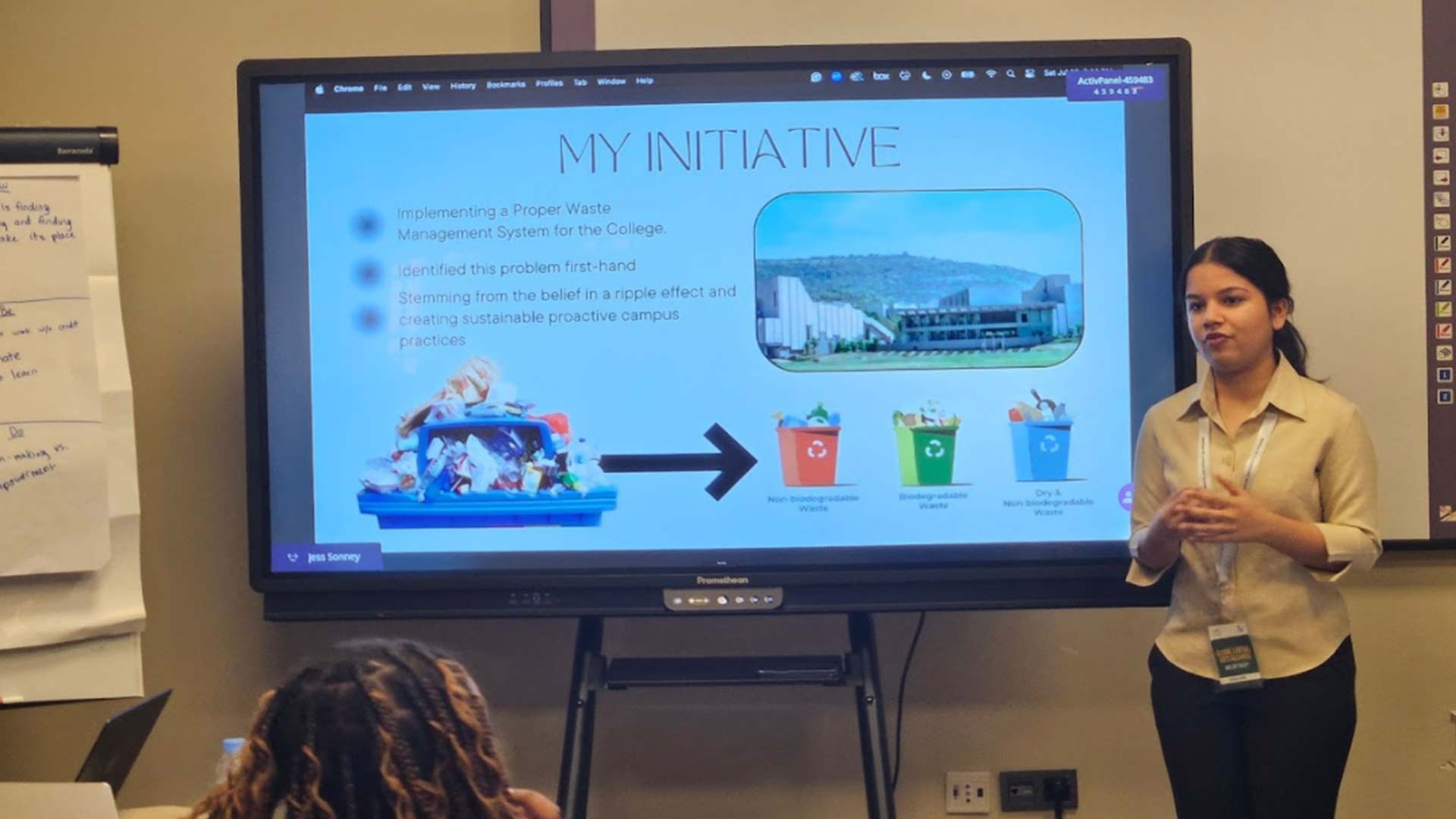
Leadership Beyond Borders: Representing FLAME at Leadership in Action Seminar 2025, Morocco
At the heart of my leadership philosophy are the values of adaptability, communication, empathy, knowledge, and accountability. These values shape how I show up in my roles and guide the way I make decisions and engage with others. I was honored to represent FLAME University at the Leadership in Action Seminar 2025, organized by the Global Liberal Arts Alliance in Morocco. Alongside fourteen student leaders from across the world, I had the chance to explore how leadership can be used to create
meaningful social change. The primary objective of the seminar was to empower student leaders with a comprehensive toolkit to design effective, community-driven solutions for challenges they felt deeply about, both on their campuses and beyond.
Over the last couple of years, my experience as the President of the FLAME Community Service Club (FCSC) and Joint Secretary of The Story Project helped me nurture my leadership skills. At FCSC, I co-founded a literacy initiative for village children, organized tree plantations and river clean-ups, and hosted discussions on women’s health and social impact careers. During my time with The Story Project, I led creative workshops and experiential visits and organized daily academic classes for children from marginalized backgrounds. These experiences taught me that leadership is most impactful when it is grounded in relationships and shared purpose.
The journey began well before our time in Morocco. Over the summer, we participated in webinars and reflective assignments that encouraged us to articulate our leadership philosophies and examine the values guiding our actions. We practiced conflict resolution and explored country comparison visualization tools to understand how cultural norms influence social change strategies. These hands-on activities helped deepen my understanding of adaptive leadership. The sessions pushed me to think critically about the kind of leader I aspire to become and the responsibilities that would come with it.
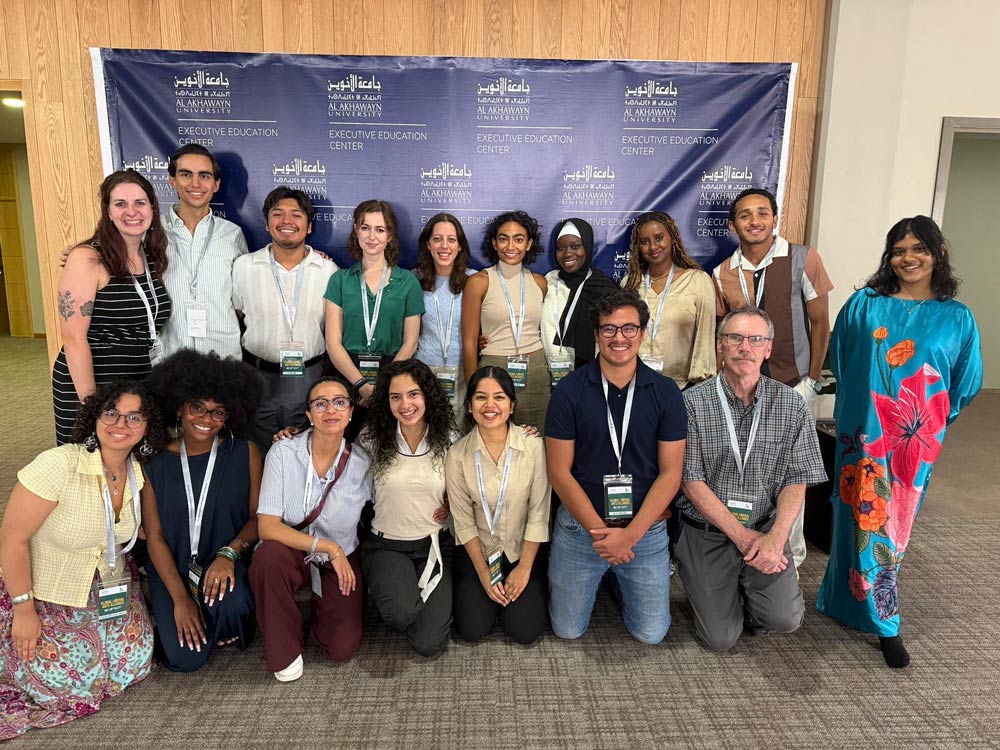
Getting selected to visit Morocco felt both exhilarating and humbling. The opportunity allowed me to learn and reflect on my responsibilities as a global citizen. When we finally met in person in Morocco, the ideas we had explored in earlier sessions came alive through in-person collaboration.
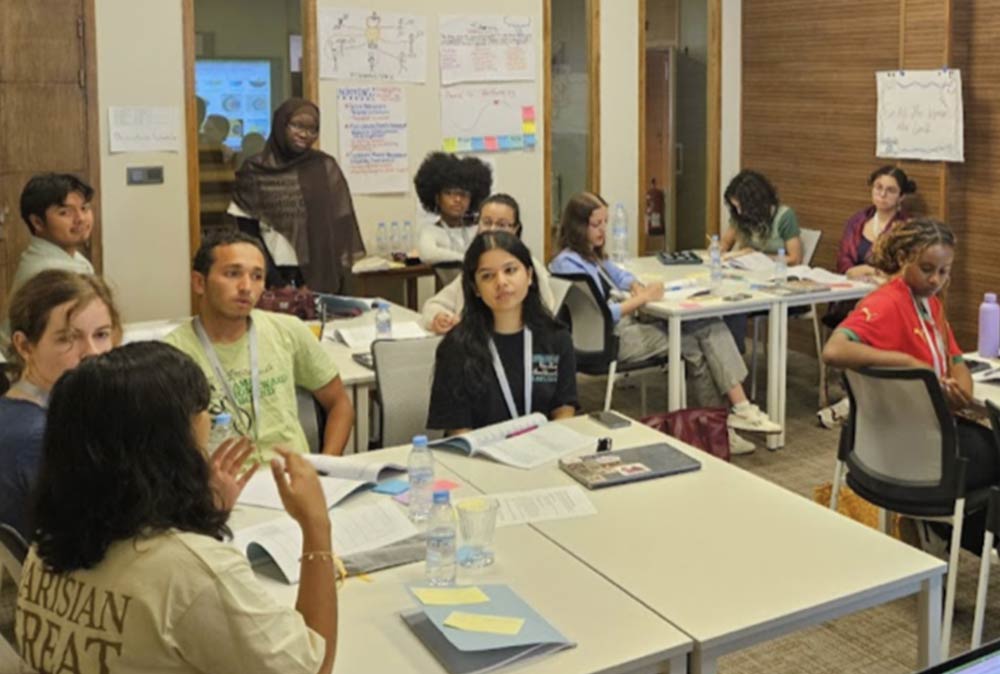
Through open conversations, case studies, and vulnerability exercises, our cohort established a strong foundation to support our proposed leadership initiatives within our universities and communities. We explored conflict resolution in diverse contexts, discussed strategies for change management, and challenged our assumptions about influence and responsibility.
My proposed leadership initiative focuses on a two-phased waste segregation initiative, starting with campus waste management and later on extending such practices to the neighboring Lavale village in Pune (primarily the Mahatma Phule Vidyalaya in the village). By addressing the challenge of waste disposal through awareness and hands-on participation, the initiative aims to promote sustainable habits and create student-led systems that can eventually be self-sustaining. Through peer coaching at the seminar, I learned how universities across the world address sustainability and got practical insights into how to strengthen this initiative. I came back to FLAME with a deeper understanding that meaningful change requires long-term culture building, not just technical solutions.
The seminar also made me aware of my core values as a leader and highlighted how the power distance index shapes leadership styles in multicultural teams. I also gained insights into the stages of group development and how intentional facilitation can help build trust and create real change. Our experience extended beyond structured sessions. We immersed ourselves in Moroccan culture and connected with communities that broadened our perspective on leadership. Visiting Medina in Fez, Al Akhawayn University, and a Peace Corps Community Development Center in Azrou allowed us to witness firsthand the intersection of leadership, culture, and community development.
Looking ahead, I want to build on these learnings by exploring organizational development. learning and development, and change management in workplace settings. Much like environmental initiatives, organisational growth requires vision, structure, and a willingness to adapt. This seminar has been a powerful reminder that leadership is not about holding authority but about enabling growth and resilience in people and systems.
At FLAME University, such learning is not confined to the classroom. Through global engagements, international seminars, and cross-cultural academic experiences, students are encouraged to share their ideas within a wider global context. These opportunities deepen perspective, challenge assumptions, and allow learning to travel beyond borders.
To know more about Global Opportunities at FLAME University, visit the Global Connect page: https://www.flame.edu.in/global-connect
(Author: Suhani Mathur, Undergraduate Student)